







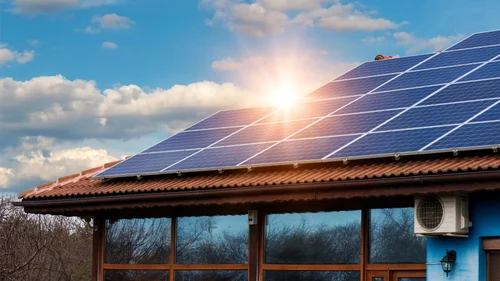
Solar energy is entering a new era—one defined not just by generation capacity, but by how intelligently and reliably that energy is managed. Today’s systems are built with resilience, integrated design, and real-time data at their core. Freedom Forever Solar reviews often highlight the company’s focus on future-ready, personalized energy solutions, reflecting growing homeowner demand for solar that does more than lower bills. As extreme weather, smart technologies, and energy policy evolve, the next generation of solar systems must be prepared to adapt, anticipate, and perform under pressure—on rooftops and beyond.
As climate events intensify and technology becomes more interconnected, homeowners are demanding solar systems that don’t just produce energy but also anticipate needs, survive disruptions, and integrate seamlessly with daily life. The future of solar energy is about building systems that are ready for anything, from extreme weather to real-time grid coordination.
Resilience: Power When It Matters Most
One of the most important trends in solar is the focus on resilience. Extreme weather events, wildfires and grid failures are becoming more common, prompting homeowners to prioritize energy systems that keep working when the grid doesn’t work.
Battery storage is at the heart of resilient solar design. It allows homes to store excess solar energy for use at night or during outages, reducing reliance on external power sources. When paired with smart energy management systems, storage can prioritize power delivery to essential loads, such as refrigerators, medical devices, and communication tools, during emergencies.
Some systems are also designed to withstand environmental challenges. Panels are being tested for wind, hail and snow resistance, while inverters are engineered for high-heat performance. These features make solar systems not only efficient but also durable in the face of unpredictable conditions.
Design That Balances Function and Form
The modern homeowner is interested in solar solutions that are both effective and visually appealing. As a result, solar system design is developing to incorporate low-profile equipment, building-integrated options and tailored layouts that match architectural style.
Solar shingles, sleek black panels, and integrated energy hubs are replacing bulky hardware and rooftop clutter. Design-conscious homeowners can now select systems that enhance curb appeal while still meeting energy needs.
Homeowners must ensure that solar installations complement the home’s structure, style, and long-term energy goals. Whether optimizing panel placement or integrating EV charging, design decisions are increasingly personalized.
The design also means planning for future expansion. Systems today are being built with modularity in mind, allowing for the addition of panels, storage or smart devices as household needs change. This flexibility ensures solar investments grow with the family or property.
The Power of Real-Time Data
Data is playing a growing role in the next phase of solar energy. Advanced monitoring platforms allow homeowners to track energy production, consumption, and battery performance in real-time. These insights improve energy efficiency and help users make more informed decisions.
Data-driven tools can significantly enhance the performance, efficiency, and value of solar energy systems. These smart technologies offer features such as:
• Forecasting solar production based on weather patterns, allowing homeowners to anticipate daily energy availability and plan accordingly
• Identifying underperforming panels or inverters through real-time diagnostics, enabling quick maintenance actions that prevent energy loss
• Helping schedule appliance usage to align with peak solar output, improving energy efficiency and reducing dependence on grid electricity
• Informing decisions on system upgrades or adjustments to energy usage habits by analyzing long-term trends and consumption patterns
Some advanced systems even use artificial intelligence to automate EV charging schedules, optimize battery use, reduce grid reliance, and support participation in utility demand-response programs. These capabilities not only lower electricity costs but also contribute to grid stability during high-demand periods.
By combining live performance data with machine learning, solar systems develop into intelligent home energy assistants, making real-time decisions, adapting to homeowner routines and ensuring seamless integration with other smart technologies. It marks a shift from passive energy generation to proactive energy management, maximizing both convenience and sustainability.
Preparing for Grid Interaction
As solar adoption rises, utilities are becoming more dependent on distributed energy systems to support grid stability. The next era of solar includes smarter coordination between homes and the broader grid, something made possible by data and automation.
Many utilities are launching programs that allow solar homes to export power during peak times, offsetting demand and earning credit. Systems equipped with responsive inverters and grid-compliant software are better positioned to take part in these efforts.
Smart solar systems are also designed to switch smoothly between grid-tied and islanded (off-grid) modes, depending on local conditions or utility requests. This hybrid approach supports both homeowner independence and community resilience.
Solar as a Platform for Other Technologies
The solar system of the future is more than just panels and batteries; it’s a foundation for broader home energy integration. From EV chargers and smart thermostats to load controllers and time-of-use programming, solar increasingly serves as the core of a connected, responsive energy platform.
Many homeowners are layering other technologies onto their solar systems, including:
- Smart circuit panels for dynamic load management
- Energy dashboards that track usage across appliances
- Voice assistant integration for hands-free control
- Remote diagnostics for quicker maintenance and repair
This holistic view of home energy makes it easier to manage comfort, cost, and sustainability all at once.
Education and Engagement Matter More Than Ever
With systems becoming more advanced, education is key. Homeowners want to understand how their system works, how to maximize performance, and how to take advantage of local incentives or utility programs.
Freedom Forever reviews each customer’s energy goals during personalized consultations and offers educational resources to ensure they feel confident in their choices, both at installation and well into the system’s lifespan. By putting information at the homeowner’s fingertips, solar providers help users take ownership of their energy systems and drive greater long-term value.
The next era of solar is defined by more than watts and savings. It’s about energy systems that are resilient in emergencies, seamlessly designed into our lives and guided by real-time data that empowers better decisions.
As households adopt solar in growing numbers, these trends are helping ensure systems are more flexible, more reliable and more aligned with how people live and work today. With support from experienced providers, homeowners are better prepared to build energy systems that adapt to a changing world.
Keep an eye for more latest news & updates on Internal Insider!