







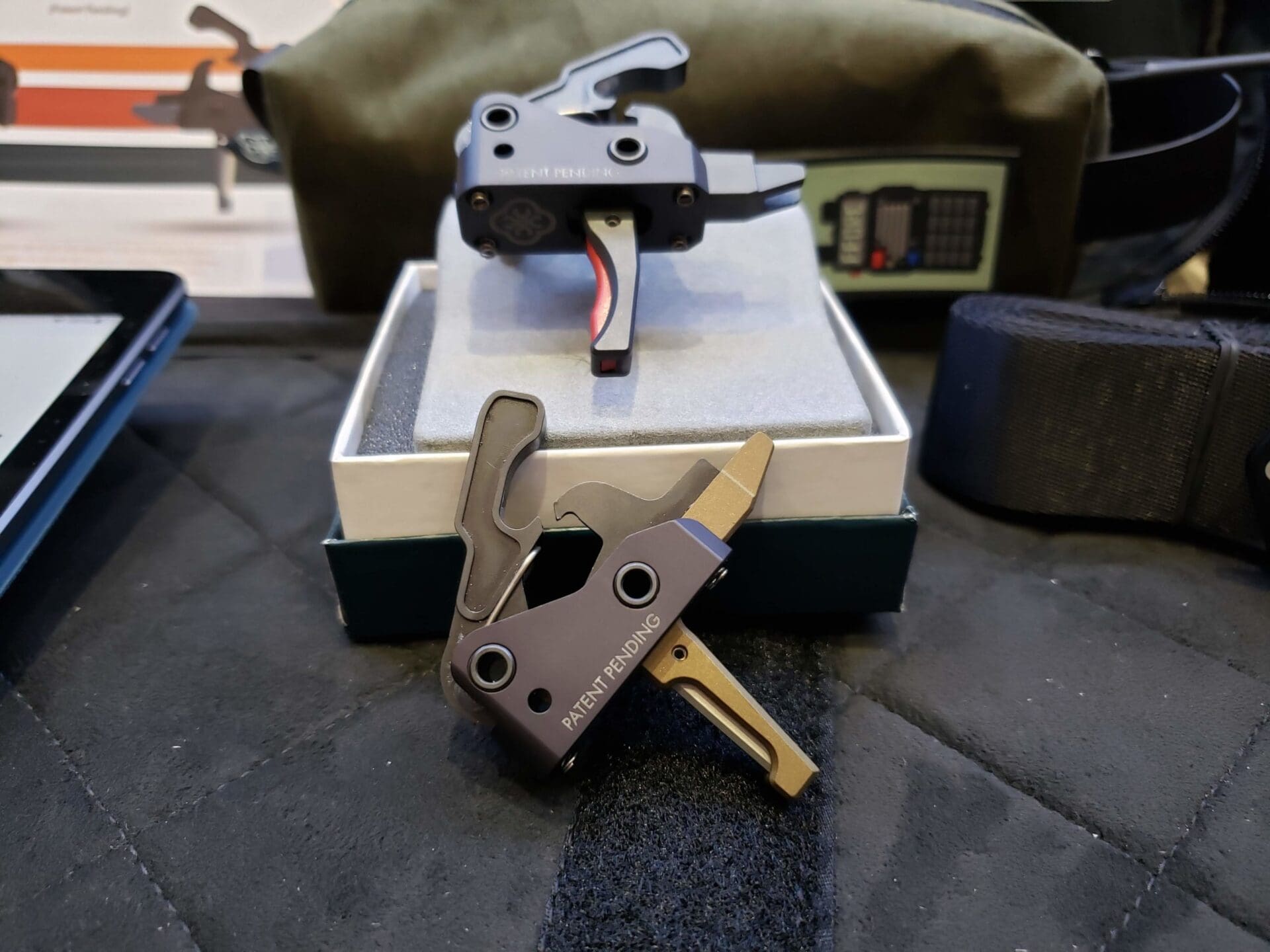
When it comes to firearm control, the trigger is the shooter’s most direct connection to performance. A well-tuned trigger can dramatically improve accuracy, shot timing and overall handling. Whether in the field, at the range or in a tactical environment, shooters benefit from a responsive, reliable trigger that complements their technique. Sonoran Desert Institute (SDI), accredited by the Distance Education Accrediting Commission (DEAC), provides students with a well-rounded education in firearms technology through flexible online programs. These foundational skills prepare them to understand and apply techniques that can extend to trigger systems, equipping them to safely address performance enhancements as part of broader firearm maintenance and modification work.
Trigger jobs are a mix of art and science. From adjusting pull weight and reset distance to polishing sear surfaces and modifying engagement angles, gunsmiths must carefully evaluate and modify each element of the fire control system, without compromising safety or reliability. The result is a smoother, more predictable shooting experience tailored to the user’s needs.
Understanding the Role of the Trigger in Firearm Performance
The trigger mechanism controls when and how the firearm discharges. While often overlooked by casual shooters, it plays a crucial role in accuracy, speed and consistency. An inconsistent or overly heavy trigger pull can cause shooters to jerk the gun or anticipate recoil, pulling shots off target.
Trigger jobs are particularly important for:
- Competitive shooters who rely on split-second timing
- Hunters who need precise first-shot accuracy
- Tactical professionals who require consistent performance under pressure
Each application demands a different trigger feel, and gunsmiths are trained to deliver that performance through careful customization.
Key Elements of Trigger Tuning
Tuning a trigger involves modifying one or more internal components that influence how the trigger feels and functions. Each element plays a role in how the trigger responds when engaged.
Pull Weight
Trigger pull weight refers to the amount of force required to fire the weapon. Lighter pull weights can improve precision but may compromise safety if improperly tuned. Heavier triggers offer safety benefits but can hinder performance in competition or hunting.
- Competition triggers: Often tuned to 1.5–3 pounds
- Hunting triggers: Typically set at 2.5–4 pounds for a balance of safety and control
- Tactical triggers: Range from 4–6 pounds for durability under stress
Gunsmiths adjust pull weight by modifying springs, adjusting tension screws or replacing components entirely.
Reset Distance
The reset is the distance the trigger must move forward after firing before it can be pulled again. A shorter reset allows for faster follow-up shots and improved rhythm in rapid-fire situations.
Gunsmiths polish internal surfaces, install enhanced springs or use custom trigger assemblies to reduce reset distance, without introducing unwanted slack or overtravel.
Sear Engagement
The sear is the component that holds the hammer or striker in place until the trigger is pulled. Tuning the sear engagement angle and contact surface can significantly impact the trigger feel, making it crisper and more predictable.
Gunsmiths carefully polish and reshape sear surfaces to achieve a clean break while avoiding issues like “hammer follow” or accidental discharge. Even slight errors can cause reliability or safety problems, which is why experience and precision are essential.
Tools and Techniques Used in Trigger Jobs
Executing a proper trigger job requires specialized tools and techniques, many of which are covered in gunsmithing education programs.
Precision Gauges and Pull Scales
Trigger pull weights are measured using digital or mechanical pull gauges, ensuring exact adjustments that meet legal or competitive standards.
Stoning and Polishing Tools
Trigger jobs often involve stoning sears and hammers using fine stones or lapping tools. These create smooth contact surfaces that reduce friction and enhance trigger responsiveness.
Fixture Blocks and Jigs
Gunsmiths use fixture blocks and jigs to hold trigger assemblies securely while they’re being worked on, maintaining alignment and protecting components during modification.
Customization by Application: Matching the Trigger to the Shooter
Every shooter has different needs based on how and where they use their firearm. Gunsmiths tailor trigger jobs to suit specific disciplines.
Hunting
For hunters, a light but deliberate trigger is ideal, one that breaks cleanly without surprise but prevents accidental discharge in cold or high-pressure conditions. Gunsmiths focus on smooth operation, minimal creep and reliability in outdoor environments.
Sport and Competitive Shooting
Shooters in disciplines like IPSC, IDPA or long-range competitions need fast, crisp triggers with minimal reset. These triggers often feature aftermarket assemblies, drop-in kits or fully custom parts that offer adjustability across multiple parameters.
Tactical and Law Enforcement Use
In tactical contexts, safety and durability are top priorities. Gunsmiths tune triggers to reduce stacking or grit, while maintaining enough pull weight and length to prevent accidental discharges during high-stress encounters.
Common Trigger Types and Their Modifications
Each type of trigger mechanism offers different tuning possibilities. Gunsmiths must understand the internal mechanics of various systems to make effective, safe adjustments.
Single-Stage Triggers
These triggers break cleanly in one motion. Tuning typically focuses on minimizing creep and polishing sear surfaces for a smooth, crisp break.
Two-Stage Triggers
Two-stage systems offer an initial take-up followed by a clean break. Gunsmiths can adjust the transition point, reduce slack and fine-tune the final break weight for optimal feel and control.
Striker-Fired Systems
Popular in many modern pistols, striker-fired triggers benefit from connector tuning, spring swaps and surface polishing to improve reset and reduce pull weight.
Maintaining Safety and Reliability
One of the most important aspects of trigger work is preserving or enhancing firearm safety. A poorly executed trigger job can result in mechanical failures or unintentional discharges.
Drop-Safety Tests
After any modifications, gunsmiths unintentionally perform drop and function tests to ensure the firearm won’t discharge if dropped or handled roughly.
Maintaining Legal Standards
Some jurisdictions require minimum pull weights for certain firearms. Gunsmiths ensure their work complies with local, state and federal regulations, particularly for hunting or self-defense firearms.
Training the Next Generation of Precision Gunsmiths
Understanding trigger dynamics requires a strong foundation in both mechanical function and human ergonomics.
Courses include topics such as:
- Firearm mechanics and disassembly
- Trigger theory and design
- Hands-on trigger-tuning techniques
- Troubleshooting and diagnostic
This education prepares graduates to deliver custom solutions for shooters across a wide range of applications.
Trigger tuning is one of the most impactful gunsmithing services available. It transforms a firearm’s feel and performance with small, precise adjustments. Whether for hunting, sport or tactical use, a well-executed trigger job can give shooters a newfound level of control and confidence.
Sonoran Desert Institute includes practical instruction in trigger work, emphasizing safe handling and functional reliability. As firearm designs develop over time, the work of gunsmiths continues to adapt, refining performance through careful adjustment and attention to detail.
Stay in touch to get more updates & news on Internal Insider!