









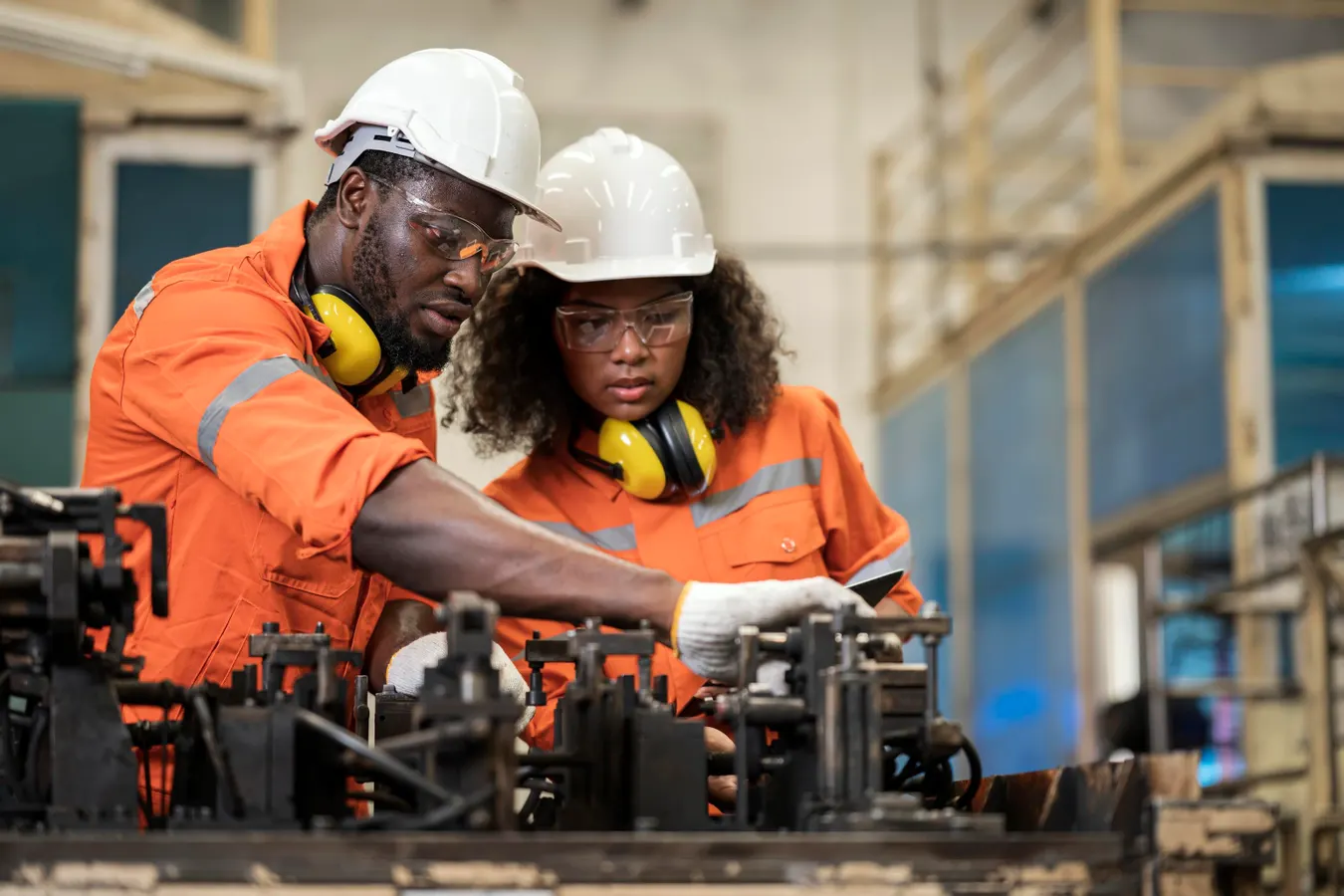
The story of American manufacturing in 2025 is less about rust belt nostalgia and more about realignment, strategy, and flat-out survival. It’s no secret that factory floors have changed over the past decade, but what’s unfolding now isn’t just about automation or reshoring. The conversation has moved beyond labor costs and efficiency. Companies that once measured success in units per hour are now thinking about agility, accounting clarity, and how quickly they can pivot when global chaos knocks on the door. And yes, it’s knocking.
What’s happening today is a reset. But not a reset to zero—more like a recalibration that’s forcing companies to think not just about how they make things, but why they make them, who they’re making them for, and how the numbers stack up when every single variable feels like it’s moving.
The Modern Factory Isn’t Built Just to Produce—It’s Built to Adapt
Factory owners used to talk about output the way farmers talk about rain. There was a kind of resignation in it, like everything came down to what the machines did between 7 a.m. and the evening shift. But now? It’s different. Supply chain delays, rising raw material costs, and labor shortages aren’t temporary issues—they’re part of the working landscape. Companies that once bragged about specialization are now investing in flexible production lines that can jump from automotive components to electrical casings with a few software tweaks.
It’s no longer about whether a factory can make one product well. It’s about whether it can make the right product at the right time without hemorrhaging cash. That shift in mentality is showing up everywhere, from equipment purchasing decisions to factory layout. Even the companies that used to avoid data like it was a gimmick are now tracking everything from humidity levels to machine idle time with the kind of precision usually reserved for Formula 1.
But adaptability doesn’t come cheap. Making a factory nimble enough to survive today’s unpredictability means putting serious investment into software, training, and high-mix production capacity. The upside? Those who get it right are dodging some of the price hikes and disruptions that continue to bury more traditional operations.
Where the Smartest Manufacturing Leaders Are Getting the Edge
If there’s one place traditional manufacturers have historically struggled, it’s the back office. Most owners didn’t start out loving spreadsheets. They came up through engineering, operations, or family lines, and the financial stuff got handled just enough to keep the doors open and the lights on. That’s changing. The smartest players now realize that ignoring the numbers is a fast track to getting squeezed out.
There’s been a massive rise in demand for services that take the financial side of the business and make it make sense—without requiring plant managers to suddenly turn into CPAs. What’s made the biggest difference for many companies lately is outsourcing your manufacturing accounting. Not in the outdated sense of shipping paperwork to some unknown team and hoping for the best. This new wave is about partnering with firms that understand how the factory floor connects directly to cash flow, cost analysis, and long-term decision-making.
Companies are finally seeing that accurate, real-time numbers aren’t a luxury. They’re a survival tool. Being able to forecast with confidence and understand where profit is actually coming from—product by product, machine by machine—can mean the difference between growing fast and growing broke. It’s also freeing up business owners to actually focus on strategy instead of getting lost in a maze of receipts, reconciliations, and financial blind spots.
Why Materials and Markets Are Becoming a Daily Gamble
Manufacturing used to be a game of scale and steady supply. You picked your suppliers, you stuck to them, and you focused on running things smoothly enough to keep margins healthy. That idea is collapsing under the weight of modern volatility. Copper, aluminum, rare earths—none of them are as predictable or affordable as they used to be. The factories still relying on long-term deals without much wiggle room are finding themselves backed into corners when prices spike or logistics fall apart.
This has forced many manufacturers to revisit their sourcing strategies completely. Having a diversified supply chain isn’t just smart—it’s the only way to avoid being held hostage by a single disrupted route or out-of-stock material. It’s also pushing companies to learn more than they ever thought they needed to about non-ferrous metals and the intricacies of commodity futures. What was once someone else’s job is now front and center for decision-makers on the ground.
That level of detail might feel overwhelming, but it’s also creating a new kind of sophistication in the industry. Companies are becoming leaner, smarter, and more aware of global dynamics, which in turn is reshaping who gets the contracts, who stays afloat, and who quietly folds when they can’t pivot fast enough.
How Automation Is Shifting From Trendy to Necessary
Talk to anyone running a factory right now and they’ll tell you: it’s not about if they’ll automate—it’s about how fast they can afford to do it. The pressure to integrate smart tech isn’t coming from a desire to be flashy. It’s coming from sheer necessity. Fewer people want to work in manufacturing, and those who do are harder to find and keep.
Instead of waiting for skilled labor to walk through the door, manufacturers are upgrading machines, training workers on high-tech interfaces, and removing as much low-skill labor from the equation as possible. And it’s working—but only for those who are willing to change the way they think about labor entirely.
It’s no longer just about replacing people with machines. It’s about rethinking workflows so that the people you do have can focus on what humans still do best: problem solving, quality control, and innovation. The end result? A tighter, cleaner, more resilient operation that’s built less like a factory from the past and more like a living, thinking system that evolves alongside demand.
Why Regional Reshoring Still Makes Sense—Even When It Doesn’t Look Cheap
For all the buzz around bringing manufacturing back to the U.S., the truth is more layered. It’s not always cheaper. It doesn’t always look like a net gain on paper right away. But more companies are doing it anyway. Why? Because when they add up the cost of long transit times, delays, international disputes, and late-stage quality control disasters, reshoring starts to make a lot more sense. Not just financially, but operationally.
There’s also a deeper cultural shift at play. More business leaders are realizing that local doesn’t just mean “feel good.” It can mean faster delivery, tighter quality control, and a lot less risk. Partnering with a local shop for a key part might look expensive up front, but when that part shows up on time and works perfectly—while your overseas competitor waits an extra six weeks for a delayed shipment—it’s a win that doesn’t always show up on a spreadsheet.
What’s interesting is that reshoring is rarely full-scale. It’s happening piece by piece, project by project, driven by where risk feels highest and speed matters most. That kind of selective sourcing is becoming a defining trait of the most competitive companies in the industry.
Final Takeaway
The companies thriving in 2025 aren’t necessarily the biggest or the flashiest. They’re the ones paying attention, staying nimble, and refusing to let outdated systems dictate modern outcomes. Manufacturing hasn’t lost its edge—it’s just learning to cut in different directions.
Stay in touch to get more updates & news on Internal Insider!