









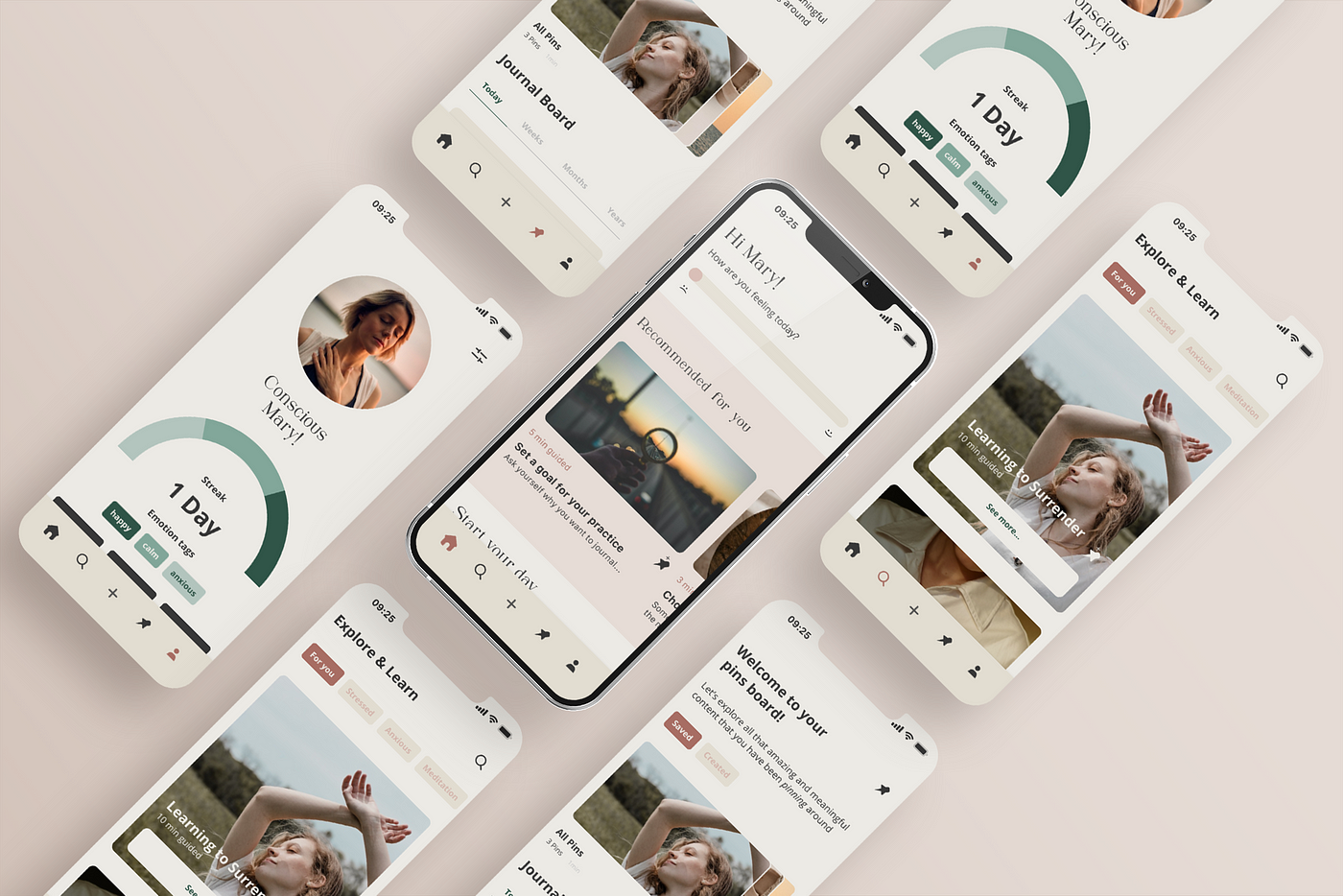
Health apps have become key tools in preventive care, helping users track everything from physical activity to sleep, stress and nutrition. But while thousands of apps exist, only a small number see consistent, long-term use. Joe Kiani, founder of Masimo and Willow Laboratories, recognizes that technology must serve people first. It isn’t enough for a health app to be accurate or technically sophisticated; it has to be usable, welcoming and relevant. The best digital tools are not only functional but thoughtfully designed around how people live and what motivates them.
Sustained engagement comes from meeting users where they are emotionally, physically and contextually. Apps that adapt to changing needs, offer encouragement without judgment and integrate seamlessly into daily routines are more likely to earn a lasting place in users’ lives. In preventive care, this kind of design can make the difference between fleeting interest and meaningful, long-term impact. Thoughtful design isn’t just a nice-to-have; it’s what transforms health tech from a novelty into a necessity.
First Impressions Matter
The User Experience (UX) begins with the first tap. If an app is difficult to set up or visually overwhelming, users may abandon it before they even begin. Great health apps offer a clean, intuitive onboarding process that gets users oriented without unnecessary friction.
That includes offering brief tutorials, customizable settings and accessibility features from the start. The tone, visuals and navigation should reflect empathy and clarity, not jargon or pressure. Users should feel welcomed and understood from their very first interaction with the tool.
Accessibility isn’t just a technical checkbox; it’s a reflection of inclusive thinking that values every user’s experience. Features like adjustable font sizes, voice support, and culturally sensitive content make a big difference. When design choices prioritize dignity and ease, health tools become more approachable and impactful for everyone.
Simplicity Without Sacrificing Depth
A common UX mistake in health tech is offering too much information all at once. While some users may want detailed charts and analytics, most prefer streamlined dashboards that highlight key insights. When apps simplify without dumbing down, they build trust and encourage repeat use.
Options for deeper exploration should be available but not mandatory. The primary interface should show users what they need to know to make a healthy decision right now. Overloading users with data can lead to confusion or disengagement, especially when they’re just looking for quick, actionable insights.
By prioritizing clarity and simplicity on the surface, while still offering access to more detailed information for those who want it, apps can serve both novice and experienced users. This layered approach respects varying levels of health literacy and supports informed decision-making at every stage.
Personalization Increases Relevance
No two users are alike. That’s why successful apps offer personalization, tailoring suggestions, goals and reminders to each person’s habits and preferences. Whether that means adjusting notification frequency or syncing with a wearable device, personalized UX makes users feel seen.
It is especially important in preventive care, where small behavioral nudges can have a long-term impact. When advice feels generic or out of sync, users are less likely to follow through. Effective nudges are timely, personalized and aligned with the user’s goals and context. Even subtle changes can significantly influence behavior, like adjusting the language of a prompt or choosing the right time of day.
When users feel that the technology understands their needs, they’re more inclined to trust it and take action. Over time, these personalized nudges can lead to meaningful, sustained health improvements.
Consistency Builds Habits
Health goals are often achieved through consistency. Apps that support daily routines with subtle encouragement, like morning check-ins, streaks or calendar-based tracking, can help users stay on course.
Behavioral science shows that regular feedback, even when minimal, reinforces habits. A simple thumb-up, a motivational message or a gentle nudge can help users build momentum over time. As Joe Kiani Masimo founder puts it, “It’s not just about collecting data. It’s about delivering insights that empower people to make better decisions about their health.” Insightful, well-timed feedback transforms raw data into meaningful action, helping users understand their progress and sustain long-term behavior change.
Designing for Emotion, Not Just Function
Health is personal, and so is how people interact with technology. Apps that succeed long-term often create an emotional connection with users, offering reassurance, encouragement and a sense of control.
Visual design, tone of voice and the nature of prompts all play into this. Are messages judgmental or supportive? Are alerts anxiety-inducing or helpful? UX that recognizes the emotional context of health decisions fosters greater loyalty. Small design choices can ease the stress often tied to health management, like using warm colors, friendly language or calm animations.
When users feel respected rather than scolded, they’re more likely to engage consistently. Thoughtful UX can reduce shame or fear and instead promote confidence and autonomy. In preventive health, especially, positive reinforcement encourages action without overwhelming users. Emotionally aware design builds trust, which is essential for long-term engagement.
Responsiveness and Trust
An app that crashes, lags or fails to sync can quickly lose a user’s confidence. Reliability matters in technical performance and in how data is handled. Clear privacy settings, transparent data policies and consistent communication help build trust over time.
Strong ethical standards in digital health. Trust is the basis for meaningful user engagement. An app that users don’t trust will never see sustained adoption.
Sustainable Engagement Over Novelty
The most engaging apps aren’t necessarily the ones with the most features. Instead, they focus on doing a few things well and making those things valuable every day. That means updating content periodically, introducing small refinements and remaining responsive to user feedback. Novelty may drive downloads, but only thoughtful UX sustains engagement.
UX design is fundamental to the success of health apps. The best tools make healthy choices easier by reducing complexity, aligning with users’ needs and adapting to their lives over time. Meaningful design is not about showcasing technology; it is about helping people live healthier and more empowered lives.
Stay in touch to get more updates & news on Internal Insider!